Showing posts with label Food of the week. Show all posts

Tuesday, November 17, 2009

Food of the Week: Soybeans

Food of the week: Soybeans

The nutritional benefits of soy have been sensationalized in the US in the past few years. It is true, the soybean does tout many health benefits. However, we have recently seen concerns emerging over the newly popular and widely used food. These concerns relate to both nutritional aspects and the way in which the soybean is mass-produced here in the US and in other parts of the world as well. Let’s take a look at the many sides of soy.


Photo Courtesy of thedailygreen.com


Benefits:

  • Excellent source of protein, which is why soy is commonly used as a replacement for meat.

  • Unlike meat, soy does not contain saturated fat or cholesterol and may actually lower cholesterol levels.

  • Good source of Omega-3 fatty acids, iron and magnesium

  • Fiber!

  • Soy increases levels of nitric oxide, which help to prevent atherosclerosis (Coronary Artery Disease)

  • Isoflavones in soy help to protect heart and bone health in post-menopausal women

  • The protein and fiber in soybeans help to stabilize blood sugar for people with diabetes. In fact, studies have shown that a diet including soy may help to prevent type 2 diabetes.

  • Soybeans contain Choline, which may lessen chronic inflammation

  • Additional benefits may include gastrointestinal wellness and protection against prostate cancer

Drawbacks:

  • Purified soy products (ie soy milk), often used in the US, do not have many of the health benefits of whole soy foods. These products can actually stimulate pre-existing breast tumors.

  • 85% of soybeans produced in the US are genetically modified. There are no additional restrictions on genetically modified soybeans, they are treated the same as regular soybeans.

Ways to eat Soybeans:

  • As an appetizer, side or snack, blanch Edamame (soybeans in their pods)

  • Eat tofu or tempeh as a meat substitute

  • Use soybeans in Stir-Fry or Pasta

Little Known Facts:

  • Soybeans are the most widely grown bean in the world.

  • The origins of the soybean go back to China over 1300 years ago

  • Most soybeans produced end up being used as feed for cows, chickens and pigs (not their natural dietary choice, it helps to make their stomachs explode or get infections, but I digress….)

So it does appear that soybeans really do offer a lot of nutritional benefits, if you eat whole soy rather than refined products. As always, we need to know where our food is coming from and what has been done to it. This is not always an easy thing to do. There was an excellent documentary made this year about the food industry in the US called Food, Inc. There was a segment about soybean production that I don't think you would want to miss.

Saturday, April 11, 2009

Food of the Week: Whole Wheat

If you remember anything about wheat, it should be this: Whole Wheat with germ and bran intact = good. Refined wheat = not so good. The refining process extracts the most nutrient rich parts of the wheat, the bran and germ, removing much of the vitamins, minerals and fiber. Many of the products we eat in the U.S. contain refined wheat, things like breads, pastas and baked goods. Diet propaganda like the Atkins Diet played on this truth to get people to lose weight by not eating carbohydrates like wheat. But the largest and scariest hole in no/low carb diet plans is the inclusion of all carbohydrates into the category of unhealthy. Let’s take a deeper look into the nutrition of whole wheat.


Photo courtesy of http://www.cspinet.org/nah/wwheat.html


Benefits:

  • Women who eat whole wheat rather than refined tend to weigh less.
  • Helps to lower risk for Type II Diabetes and lessens Chronic Inflammation.
  • Helps prevent Gallstones, Heart Disease and Childhood Asthma.
  • Good for cardiovascular health in postmenopausal women.
  • The fiber found in wheat bran can act as a natural laxative. It helps you poo!
  • Whole wheat helps to prevent certain types of cancers. It affects estrogen levels in a way that helps protect against some cancers. It also helps to protect against colon cancer.

  • Allergies to wheat are very common.
  • People with Celiac Disease or Gluten Intolerance cannot eat products containing wheat.
  • Whole wheat contains substances called oxalates, which in high concentrations can exacerbate kidney and gallbladder problems.


  • To ensure that you get the benefits of whole wheat make sure you purchase foods that are not refined. Whole grains should be listed as the first ingredient and items should have at least 3 grams of fiber.
  • Cereals high in fiber, such as raisin bran or shredded wheat.
  • Eat whole wheat breads and pastas.
  • Instead of using bread crumbs use rolled oats or bran cereal.
Little known fact:
A product marked multigrain does not necessarily contain whole grains. Make sure to read the nutrition information to make sure the whole grain is used.


Sunday, March 1, 2009

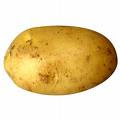
Food of the Week: Potatoes

For this week's food of the week I've decided to break down some misconceptions about a food that has gotten a bad rap in recent years. Carbohydrates have sadly become the food to avoid or reduce in our diets. But, as you can see in my last post, carbs can play an integral part in eating on a budget. While there are very unhealthy carbs, this doesn't mean that all are bad. So, here it comes, the food of the week is potatoes.


  • Very good source of Vitamin C, which we all know is good for the immune system.
  • Good source of Potassium, Copper, Manganese and dietary fiber. Help to prevent cardiovascular disease, respiratory problems and some cancers.
  • Good source of Vitamin B6, which is good for the nervous system, helping us sleep, manage stress and be less depressed.
  • Low in calories.

Drawbacks:
  • Many of the ways we tend to eat potatoes (ie french fries, potato chips, etc) are loaded with fat.
  • Potatoes are abundant and therefore budget friendly.
Ways to eat potatoes:
  • I got this idea from a Tibetan restaurant here in NYC. Sauté small chunks of potatoes with greens and chicken in soy sauce. Flavor with garlic and ginger.
  • A favorite for brunch, sauté cut up potatoes with onions, green peppers and garlic.
  • Mashed potatoes! Possibly the best food in the world!
Little known facts:
So don't you fret, little darlings! Eat potatoes and be happy!

Sunday, February 15, 2009

Food of the week: Zucchini

I was speaking to my roomie about a food of the week and she suggested zucchini. I was like, I already had zucchini as food of the week. I mean, if you've read my blog you can plainly see my affection for the vegetable. But, upon further inspection, sure enough, I have never written about zucchini as food of the week. What?!?! How did this happen?

This must be remedied immediately.

Benefits:

Drawbacks:

Ways to eat zucchini:
  • One of the most simple ways to cook zucchini is to saute it in either butter or olive oil and sprinkle some parmesan cheese. (This significantly ups the calorie content, obviously).
  • Zucchini works great in stir fries, pastas and soups.
  • Zucchini-crusted pizza.
  • My sister makes a delicious zucchini bread.
  • I like to saute zucchini and add it to a burrito. (See an upcoming Recipe of the Week)

Little known facts:
  • Most of the nutrients in zucchini are in the skin.
  • Zucchini is a summer squash that origins trace back to Mexico. It later made it's way to Italy and into some tasty dishes. This totally explains my tendency to put zucchini in burritos!
  • The zucchini is related to the melon and cucumber.

Sunday, February 8, 2009

Food of the week: Leeks

I used leeks for the first time when making the Winter Soup for the food of the week. While cutting and cooking, the delicate smell of the leeks really stimulated the senses. I decided that I really needed to learn more about leeks and maybe even use them more.


  • Reduce bad cholesterol levels.
  • May reduce risk of prostate, colon and ovarian cancers.
  • Good source of vitamins B6, C, folate and iron, which in combination help to stabilize blood sugar.
  • Leeks contain substances called oxalates, which in high concentrations can exacerbate kidney and gallbladder problems.

Ways to eat Leeks:

Little known facts:
  • Leeks are in the same family as Onions, Garlic and Scallions. They have many of the same benefits, but are in smaller amounts in leeks. Therefore, to get the same benefits you need to eat more leeks.
  • Most supplies of leeks in the U.S. come from California, Michigan and Virginia.


Friday, January 30, 2009

Food of the week: Peas

When trying to come up with a food of the week, a friend of mine suggested peas. The reason for this; her 4 year old loves peas. This boggled my mind. A young child likes peas? How can that be? It is a matter of fact that ALL children hate peas and have to go through the agony of being made to eat all of the peas on their plate. Thus, peas as this week's food of the week came to be.

For this post I am focusing on the Green Pea family, which includes garden peas, snow peas and snap peas, among others. No Black Eyed Peas here (sorry Fergie! ... no, no, no, no, don't funk with my heart...).


  • Good source of vitamins K, C, A, Niacin, Thiamin, Riboflavin, Pyridoxine, Mangonese, Folate, Fiber, and Phosphorus, just to name a few. (Yowza!) Therefore peas are good for bones, heart, preventing cancer and increasing energy.
  • Low in fat and calories.
  • Although we may not enjoy eating them as children, peas are fun to play with when our parents make us sit at the table until we eat all of them. A pea pyramid, anyone?

  • Peas contain purines, that may cause the gout or kidney stones in people who are sensitive to the substance.
  • Peas are commonly used to torture young children in the U.S. Pleas of "but Mo-om" are useless in the battle. Also, completely drowning the peas in ketchup is not helpful.
Ways to eat peas:
  • A healthy addition to a casserole, pasta or soup.
  • Snap peas are tasty in a stir fry.
  • Excellent in fried rice.
  • Peas are legumes, just like beans and peanuts.
  • Frozen peas tend to retain flavor better than canned peas. They also tend to have less sodium.
  • An Austrian monk, Gregor Mendel, is credited for basic genetics (aka Mendelian Genetics) based on his experiments with peas. His research showed dominant and recessive traits in the legumes.

Photo courtesy of bub.blicio.us.

Friday, January 16, 2009

Food of the week: Peanut Butter

I asked my roomie for an idea for the food of the week. She quickly recommended peanut butter. It made me think of a conversation with a friend several years ago regarding the nutrition of peanut butter. She swore that it was not a healthy food due to its high sugar and fat content. I argued that PB can be very healthy and stand by this still. Please consider the following evidence.


Benefits:
  • Peanut butter contains unsaturated fat, which helps to reduce the risk of heart disease.
  • It's a good source of niacin and folate, which is good for cholesterol.
  • Its protein and fiber fill you up. Peanut butter is a cheaper way to get your protein than meat or cheese.
  • It contains high amounts of Resveratrol, which has strong anti-cancer properties.


Drawbacks:
  • Not a good source of carbohydrates (but we often eat it in combination with carbs - PB & J is a prime example).
  • Some brands contain lots of sugar or high fructose corn syrup (there it is again!), sodium or fat. There are healthier peanut butters but you have to look for them.


Ways to eat Peanut Butter:
  • PB & J sandwich, of course! It's an American staple.
  • Some Thai dishes are flavored with peanut sauces, PB can be easily used.
  • My mother got me into this at a young age - dip a spoonful of PB into a bag of chocolate chips. So good, it hurts!
  • Peanut butter on celery (a healthy snack).
  • Many energy bars are PB flavored.

Little known fact:

  • Peanuts are legumes (like beans) not nuts.
  • Lots of people are acknowledged as the creators of peanut butter as we know it today, including an unknown St. Louis physician and Dr. John Harvey Kellogg.

Friday, January 9, 2009

Food of the week: High Fructose Corn Syrup

Chances are you’ve probably seen the commercials from the Corn Refiners Association. You know, the one where someone is eating some food containing High Fructose Corn Syrup (HFCS), much to the astonishment of an onlooker. The person then asks the onlooker, “what exactly is wrong with high fructose corn syrup?” The onlooker says nothing, because obviously high fructose corn syrup is not unhealthy and has been given a bad name.

I don’t know about you, but I had a very visceral reaction to these commercials. Maybe that’s the beef of the Corn Refiners Association. HFCS has become the bad boy/girl of nutrition. But, I just wanted to shout at the onlookers in the commercial, “Do your research on HFCS and you can clearly see the issue!” So, I will make it easier for people. Here is some information about HFCS, from a variety of sources.


Benefits:


Drawbacks:

  • Studies have shown a correlation between soda consumption and obesity. Some more recent studies have shown otherwise, but – surprise, surprise –many of them were supported by the beverage industry.
  • Most foods with high fructose corn syrup are high in calories and low in nutritional value.
  • Even if HFCS is no less healthy than sugar, would you consider sugar healthy?

Foods that contain HFCS:

  • Many beverages, including Snapple and sodas.
  • Many Cough Syrups, including Robitussin, Vicks and Delsym.
  • Many Kellogg’s brand cereals, including Raisin Bran and All-Bran.
  • Ketchup, Miracle Whip and steak sauce.
  • Pop-Tarts, Fig Newtons and cereal bars.


Regardless of whether HCFS is natural or not linked to obesity, the products that contain it tend to be unhealthy. Americans really need to get away from so many processed foods with no nutritional value. As a self-admitted soda addict, believe me when I say that we can do much better for our bodies. Even if there is not a proven direct link between HFCS and health problems, it’s plain to see that processed foods play a factor in health. How can we eat HFCS in moderation, as the Corn Refiners Association suggests, when it’s in so much of what we eat? Let’s be honest with ourselves here.

Consider the following from the USDA:

USDA recommends that the average person on a 2,000-calorie daily diet include no more than 40 grams of added sugars. That’s about 10 teaspoons, or the amount of sugar in a 12-ounce soft drink. Sugar–including sucrose, corn sweeteners, honey, maple syrup, and molasses–is ubiquitous and often hidden. In a sense, sugar is the number one food additive. It turns up in some unlikely places, such as pizza, bread, hot dogs, boxed mixed rice, soup, crackers, spaghetti sauce, lunch meat, canned vegetables, fruit drinks, flavored yogurt, ketchup, salad dressing, mayonnaise, and some peanut butter. Carbonated sodas provided more than a fifth (22 percent) of the refined and added sugars in the 2000 American food supply, compared with 16 percent in 1970.

Friday, December 12, 2008

Food of the week: Black Beans

A few days ago I wrote a post about my wonderful birthday dinner at a Latin American bistro. It seems that this week I have been eating quite a bit of Latin/Cuban food. Tuesday I had dinner at a Mexican restaurant and last night I found myself at a Cuban restaurant with a friend who was in town. While contemplating a food of the week I thought maybe I should incorporate a common staple in all of these cuisines. So today I present to you, the black bean.


Benefits:

  • Good source of cholesterol lowering fiber. This means that your blood sugar will not spike after eating them. Good news for diabetics and those with hypoglycemia. And since the fiber is insoluble, it helps to prevent constipation, irritable bowel and diverticulosis.
  • Protein that’s almost fat free (unlike those pesky meats)!
  • Detoxifies sulfites.
  • Antioxidants! And much like chocolate, the darker the bean the more antioxidants.
  • Help prevent cancer.
  • Lowers risk of heart attack.
  • Good source of Iron.


Drawbacks:

  • Because black beans contain Purines, excessive eating may lead to the gout or kidney stones.


Ways to eat black beans:

  • Cuban black beans and rice are a favorite side dish of mine. I always get them whenever I go out for Cuban food. Trader Joe’s makes a pretty decent version that you can just heat up and throw over some rice.
  • Amy’s Organics makes the best darn black bean soup I’ve ever tasted.
  • I process black beans with olive oil to make the base for my taco dip, which is loved by all. By all!
  • Essential in my Southwestern Quinoa recipe.


Little known facts:

Friday, December 5, 2008

Food of the week: Chocolate

People, it was only time. I've done several foods of the week that are vegetables or fruits, but now I move on to a food that really has something to contribute in the drawbacks category. I feel though, that the benefits are such that chocolate really needs to be a food of the week.

I am not really differentiating between semisweet and dark chocolate, although I outline how they differ in health benefits and drawbacks at times. They are very similar and come to be through mostly the same process. I will NOT be talking about white chocolate, however, because it is an abomination to chocolate everywhere. You hear that white chocolate? An abomination! You're not really even chocolate, how dare you soil the good name!


Benefits:

  • Cocoa beans are high in fiber and antioxidants and help to lower blood pressure and prevent blood clots. These are diluted when mixed with milk, sugar and other additives. The darker the chocolate the better your cardiovascular health! (Actually dark, and even milk, chocolate rated the highest in antioxidants of all foods.)
  • Contains Phenylethylamine and Serotonin, which make us happy. Cocoa also helps to relieve PMS symptoms. See ladies, there is a reason why we crave chocolate every month!
  • Lots of essential vitamins and minerals.

Drawbacks:

  • When mixed with milk, chocolate can be high in cholesterol.
  • Chocolate itself is high in fat and sugar. Yes, even the darker chocolate.
  • Chocolate is high in caffeine. Do what you want with that.
  • Bad news if you’re prone to kidney stones and possibly migraines.

Ways to eat chocolate:

  • A few bites of dark chocolate while sipping (sipping!) on a spicy red wine (perhaps a syrah).
  • Mixed with peanuts and/or peanut butter. Reese’s sure has something right.
  • An idea for a gift or to make for yourself: I put a cup of cashews, 1/3 cup of dark chocolate chips and some peanut oil in a food processor and made a decadent nut butter.
  • Brownies!
  • Strawberries dipped in chocolate, even better in dark chocolate.
  • See my earlier post from today.
  • I could go on, but really, you know….

Little known facts:

Your mother lied! There is no link between chocolate consumption and acne.

Ever wonder how chocolate is made?

Chocolate is made using beans harvested from the cocoa tree, Theobroma cacao. The beans are removed from their pod, fermented, dried, roasted and then ground to produce a cocoa mass or cocoa liquor. This is then pressed to yield cocoa butter and cocoa cake which is ground up into cocoa powder.


Why is dark chocolate healthier than milk chocolate
?

  • As you add more milk, you increase the fat and cholesterol in chocolate.
  • Dark chocolate is made without hydrogenated or partially hydrogenated oils.
  • As mentioned earlier, dark chocolate contains more antioxidants, for greater health benefits.

So, there you have it people. Eat chocolate and be happy, but not if you get kidney stones or migraines (you poor souls).

Thursday, November 20, 2008

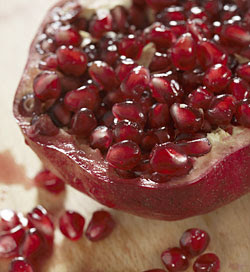
Food of the week: Pomegranate


Pomegranates are in season! Yet another reason to love fall. I've been seeing and hearing pomegranate everywhere lately, it seems. I think it's time to make the pomegranate food of the week!


Benefits:
  • Rich in antioxidants, which help to prevent cancer and heart disease.
  • Good source of Vitamin C, Potassium, and fiber.
  • Low in calories.
  • May help lower cholesterol.


Drawbacks:

  • May slow the metabolism of some medications.
  • May cause low blood pressure when combined with blood pressure lowering medications.

Ways to eat Pomegranate:

  • The seeds can be added to yogurt or pudding for a sweet treat.
  • Pomegranate juice is tasty (fyi, I wouldn't drink it if you have a sore throat, it's a little rough)
  • Pomegranate martini, mojito, what have you....
  • I went to a party last weekend where there was guacamole with pomegranate seeds in it! Yum!
Little know facts:

Thursday, November 13, 2008

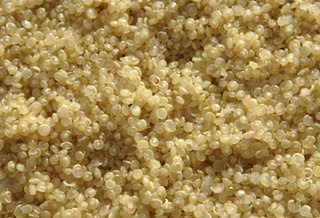
Food of the week: Quinoa

Are you ready for this Mom? You're going to be so happy! This week's food of the week is none other than...duh, duh, duh, duh, duh, duh, duh!....Quinoa.

It seems that quinoa has a very loyal following. Those that love it, want to spread its good word to people around the world. If there was ever a superfood, it would be quinoa. It's super-nutritious and easy to make.
  • Excellent source of magnesium, which helps prevent migraines and hypertension.
  • Helps lower blood pressure and cholesterol in postmenopausal women.
  • Fiber, fiber, fiber!
  • Lowers incidence of asthma in children.
  • Contains plant lignans which help protect against breast cancer and heart disease.
  • Lowers type II diabetes risk.
  • Good source of protein (especially for vegans because it provides all the essential amino acids found in meat and dairy).
  • Easy to cook
  • Cool looking
Drawbacks:
  • Can be more expensive than grains (but it expands a lot when cooking, so it kind-of evens itself out).
Ways to eat quinoa:
  • Substitute quinoa for pasta or rice, as I did with my Cheesy Quinoa Surprise.
  • Add it to vegetable soup.
  • Eat it like a hot cereal.
  • Use it in cookies.
Little known fact:

Wednesday, October 29, 2008

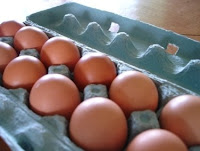
Food of the week: Eggs

Eggs have always been one of my favorite foods around. They are eaten in so many tasty ways, how could you not love them? Now that I've done some research about eggs, I'm even more convinced of their necessity in our lives. The nutritional benefits heavily outweigh the few drawbacks (for most people) and eggs are used for so many things. Plus they're just so gosh-darn tasty!


Benefits:

Drawbacks:
  • Very high in cholesterol (but saturated and trans fats have much bigger effects on blood cholesterol levels than cholesterol in food.) The cholesterol is in the yolk of the egg. To cut out cholesterol, just use the whites.
  • If not properly stored and cooked, could lead to salmonella poisoning.

Ways to eat eggs:
  • Scrambled, poached, or fried with sides of potatoes and bacon (fakin’ bacon if you choose).
  • Omelets filled with whatever your heart desires! This heart desires green peppers, onions and cheddar cheese.
  • Eggs are the ingredient in baked goods that make it “risky” to eat the dough.
  • Soak some sliced pieces of a baguette in a mixture of eggs, milk, vanilla and cinnamon. Griddle and Viola! French Toast!
  • Hard boiled eggs are good in a variety of ways; cut up in a salad, egg salad sandwiches, deviled eggs, and plain with a few sprinkles of salt.
  • Quiche!
  • Eggs Benedict is favorite brunch entrée of mine.
  • Souffles and Meringues are made by beating egg whites vigorously, which increases their volume 6-8 times.

Little known facts:

  • If you do not store eggs in a container, they will absorb the odors around them.
  • The color of the egg (white or brown) depends on the breed of the hen.

Final Note:
As with much of the meat-packing industry, the egg industry draws into question the treatment of egg producing hens. We see a lot of “Cage-Free” eggs around now, which you would think would be more humane for the chickens. However, many stories have come out in recent years about the truth behind cage-fee chickens. As always, my recommendation is to buy eggs from your local farmers. That is, unless your local farmer is a mass-meat/egg producer that lines it’s animals up in small cages and feeds them things that make their stomachs explode.

Wednesday, October 22, 2008

Food of the week: Pickles


It's embarassing to admit how old I was when I realized that a pickle was really a cucumber. So, I won't tell you. It's funny that we do not call them pickled cucumbers. Think about it, when we pickle anything else, peppers for instance, we call them pickled peppers. What's that about? Pickling is an action, not the food itself. Maybe there was a universal agreement that pickled cucumbers were the best tasting pickled anything and therefore got to claim the title of pickle.


What is pickling exactly? The fermentation caused by soaking food in vinegar or salt brine kills with a vengeance the bad bacteria that causes food to go bad!


Good examples of pickled foods: Pickles, Peppers, Cauliflower
Bad examples of pickled foods: Sauerkraut, Eggs
Haven't tried: Kim chi


There's lots of things to say about pickled foods. I don't have all day so I'm just going to focus on pickles themselves. Let's take a looksy-loo at pickles.


Pickles come in many varieties, Dill, Kosher, Bread and Butter, Gherkin. The difference is the way they are fermented, specifically what condiment, herbs and spices they are fermented in.


Benefits:

Drawbacks:

Ways to eat pickles:

  • Although there are recommended uses for each type of pickle, really they all taste good cut up on a sandwich or burger.
  • Beer battered pickles! It may not sound appetizing, but they're so good, especially dipped in some ranch dressing. Yeah, that's healthy.
Little known facts:
  • September 14 was International Pickle Day. Ah man, I missed it!
  • Should kids eat pickles? There's no definitive judgement (at least that I could find) that says pickles are good or bad for children. The consensus seems to be that they're not bad (low in calories and fat) but don't really have much nutritional value either.

Wednesday, October 15, 2008

Food of the week: Pumpkin

It's October! Fall is my favorite time of the year. I love the brisk air, the fall foliage, and warm and comforting foods! It only makes sense that pumpkin is the food of the week.

Did you know that 80% of the pumpkin supply in the United States is available in October?

Benefits:


Drawbacks:

  • Some pumpkin recipes call for pumpkin pie mix, not pureed pumpkin. While pumpkin puree is just as healthy as fresh pumpkins, the pumpkin pie mix tends to have additives that increase sugar and cholesterol.

How to Select, Prepare and Store Pumpkins.


Ways to eat Pumpkins:
  • See last week’s Recipe of the week, Pumpkin Pancakes.
  • Pumpkins can used to make soups.
  • Pumpkin pie!
  • I found this recipe that I would like to make for Thanksgiving, it’s a baked stuffed pumpkin.
  • Pumpkin seeds are tasty too! They have their own health benefits.

Little Known Facts:

Wednesday, October 1, 2008

Food of the week: Sesame Seeds

Recently I was looking up some information on sesame seeds. I rarely think of sesame seeds or their place in my diet, but I was very impressed with what I saw. These things are tiny, but man do they pack a nutritional punch! When I began thinking about eating sesame seeds, I realized that I really do enjoy these little guys. I mean, think about sesame seed buns and bagels. What a difference the seeds make!


Benefits:


Drawbacks:

  • They get stuck in your teeth.

  • If you eat 1 cup of sesame seeds, you ingest 825 calories! But really, who is going to eat a whole cup of sesame seeds?

Ways to eat sesame seeds:

  • Tahini is a sesame paste that is commonly used in hummus and baba ghanoush.

  • Gomashio, a mixture of sesame seeds and salt, is a seasoning traditionally used in Japanese Buddhist monasteries. We’ve had this during sesshin at our zendo. I put it in everything! Really, in a stir-fry, oatmeal or a salad. Or even to jazz up rice.

  • Sesame seed bagels are great with cream cheese, or to use for a tuna/chicken/egg salad sandwich.

Little Known Facts:

  • Sesame seeds are the oldest condiment used by humans.

  • Unhulled sesame seeds (unprocessed, hulls act as protective coating) are traditionally used on crackers and breads, because they adhere better.

Comedian Mitch Hedberg does not share my affection for sesame seeds. He’s funny though.

Wednesday, September 24, 2008

Food of the week: Mango

Food of the week: Mango

Looking back on the foods of the week to date, I’ve noticed the lack of fruit. I thought to myself, I need fruit! I’ve always been more of a vegetable kind of gal, but I’m trying to open myself up to more fruits. And the very first fruit of the week is…duh, duh, duh, duh…the Mango!

Tropical, colorful, and sweet, the mango has it all. Ooh, la, la, it’s exotic!

Benefits:
Drawbacks:

Ways to eat mangos:

  • I must admit, I’m new to the mango. I don’t have too many ideas (most are things I’ve had at restaurants and haven’t made at home). If you know of any good recipes, please let me know!

  • My friend Elizabeth made this killer mango salsa! I don’t remember what all was in it, probably tomatoes, green onions and some other things. There are plenty of mango salsa recipes available online, but maybe I can get Elizabeth to share her recipe with me…

  • Mango chicken stir fry! Yummy!
  • I used to have this mango-strawberry sorbet at Tsampa, one of my fave NYC restaurants. They stopped serving it though – boo!
  • Mango Lassi’s are a lovely Indian treat. It basically contains yogurt, mango and sugar, but there are many variations online. Here’s an example.
  • I tried to come up with my own creation the other night – green beans, mangos, red onions and red wine vinegar. It wasn’t bad, but it wasn’t great. I’m convinced that I can play around with it and make it a bit more superb. If anyone has any ideas…


In case you were wondering:


Little known facts:

Wednesday, September 17, 2008

Food of the week: Garlic


Food of the week: Garlic

I recently saw a show on the Food Network that showed garlic from the farm to the food we eat, and I thought, yes! That’s it! Garlic will be the food of the week.

Much like bacon, garlic is something people to tend to love or hate. (How can anyone hate garlic?) And this time vegetarians can be involved in the craze. There is little more satiating then the smell of garlic. When you first cut into a clove of garlic, the pungent smell releases into the air and you are wisked away to a magical place.

Back on earth, garlic is widely used by many cultures, Mediterranean, Indian, Tibetan, and the list goes on.


Benefits: (from the linked source unless otherwise noted)
  • Good source of vitamins B6, C and selenium.

  • Garlic contains compounds that inhibit lipoxygenase and cyclooxygenase, which help to reduce inflammation.

  • Prevents weight gain.

  • Garlic may lower your risk of several common cancers

    Study participants consuming the most garlic had a 39% reduced risk for cancer of the oral cavity and pharynx, 57% reduced risk for esophageal cancer, 26% reduced risk for colorectal cancer, 44% reduced risk for laryngeal cancer, 10% reduced risk for breast cancer, 22% reduced risk for ovarian cancer, 19%reduced risk for prostate cancer, and 31% reduced risk for renal cell cancer, compared to those eating the least garlic.

  • May help prevent atherosclerosis and diabetic heart disease, as well as reduce the risk of heart attack or stroke

  • Clinical studies are being conducted to verify significant medicinal qualities in garlic.

  • Wards off vampires! Or does it?

  • Stinky breath!

  • Heartburn, upset stomach, and allergic reactions

  • Garlic interferes with the effectiveness of saquinavir, a drug used for HIV.

  • Garlic thins the blood, which can be dangerous if you have surgery or problems with blood not clotting.

  • In pasta, stir fry, or casserole. Anything really.

  • I’ve heard about people eating a garlic sandwich (cloves on bread). I think that’s a bit too much for me.

  • Garlic bread!

Little known fact:
Garlic can repel insects (What? Insects have no taste!)


"A nickel will get you on the subway, but garlic will get you a seat." - Old New York Yiddish Saying

Thursday, September 11, 2008

Food of the week: Bacon!

Food of the week: Bacon

You knew it was coming!

I once went on a date with a guy who said to me, “I think bacon should be its own food group. I mean, there are so many kinds, Canadian, turkey, pancetta…”. Unfortunately that was the only interesting thing he had to say that evening and alas, it was not meant to be. But, he sure made a great point about bacon!

If you eat meat, chances are you eat bacon. I’ve even heard of people who stopped eating meat, with the exception of bacon. What is it about this tasty portion of pig that lures so many people? The smell? The crisp, yet tender, texture? The savory flavor? Whatever it is, it’s delicious!!!!

(Side note: If you’re dating someone who is vegan, it is generally not a good idea to talk about how much you like bacon. They tend not to have the same affection for it.)


Benefits:

  • It was hard to find any nutritional benefits of bacon. It has lots of protein, that’s for sure.
  • Also, if you eat only a few slices, there are not that many calories (if you like a high calories from fat to calories ratio).
  • Most of the benefits have to do with taste and comfort.


Drawbacks:


Ways to eat bacon:

  • Never underestimate the deliciousness of the traditional BLT. Throw in an avocado for a BLAT.
  • I have 3 words for you – bacon, eggs and hashbrowns!!!!! Ooh, put it all on some toast and have a tasty sandwich!
  • A bacon and apple sandwich (granny smith apples work best)
  • This was recommended to me. I don’t so much eat seafood, but some of you may and I don’t want to exclude you – scallops wrapped in bacon. I was told this would make me want to eat seafood.
  • See http://startcooking.com/blog/395/50-Ways-to-Use-Bacon for additional ideas.


Cooking tidbit:
My vegetarian roomie offered up this tip for cooking bacon that she found in a magazine. It may have had something to do with the strong bacon flavor that took over the apartment when I would pan-fry bacon. Whatever the reason, this method for cooking bacon is really great. Instead of pan-frying, lay slices of bacon on a cookie sheet and put in a 350 degree oven for about 15 minutes. No worries, there is still the essence of bacon in the room, but it is not quite as all-consuming as pan-frying. Also, you do not have to flip the bacon or worry about spitting oil when you use the oven method. *I would also like to send a thank you to my roomie for being tolerant when I cook bacon. I try to do it when she’s not home, but it doesn’t always work out that way. Thanks BG!*

Little know facts (a.k.a. some people take their love of bacon a little too far):
Bacon is so great, there are many blogs solely dedicated to it.
http://www.baconunwrapped.com/
http://www.iheartbacon.com/
http://baconshow.blogspot.com/
http://www.maganda.org/blog/index2.php

Bacon can double as clothing?

Why floss with a boring old string, when you can use bacon-flavored floss? Ewww!

Best bacon quote: "Bacon is sex in a skillet. It's the ultimate aphrodisiac for all living things. Except pigs, of course." Dan Philips of the Grateful Palate.

Last words: I try my best not to support the meatpacking industry for several reasons (locally produced meats are healthier, less tortuous for the animals and there’s less indecent treatment of factory workers). So, while I am a fan of bacon, I always try to buy it from local farmers. I ask of you too, to frequent your local farmer’s market, if possible (you can get lots of good produce there too). Support your local farmers!

***Remember this oldie? I feel like this could be a man as well as a dog.****

Thursday, September 4, 2008

Food of the week: Avocado

Food of the week: Avocado

The Avocado, while most would admit is seriously delicious – and they would be correct, has gotten a bad rap for having a lot of fat. But I’m here to debunk the anti-avocadoists and spread the truth about these wonders of the earth.

Benefits:

  • The avocado is high in fat, but get over it! The majority of the fats are healthy fats and have nutritional benefits.

  • Not only do avocados have no cholesterol, making them the single most healthy way to get good fats in your diet, they also contain oleic acid, a monounsaturated fat that may help to lower cholesterol.

  • They are digested slowly, which is great for sustained energy in athletes.

  • Avocados are great for babies due to their consistency and nutrients that help the development of the central nervous system and the brain. (Smart babies eat avocados!)

  • Avocados contain nearly 20 vitamins, minerals and phytonutrients, including 4% of the recommended Daily Value (DV) for vitamin E, 4% vitamin C, 8% folate, 4% fiber, 2% iron, 4% potassium, with 81 micrograms of lutein and 19 micrograms of beta-carotene. These things help to fight against high blood pressure, heart disease, stroke, and even breast cancer.

  • Avocados help you lose weight by reducing saturated fat in the diet (when they are consumed in place of saturated-fat containing foods).

  • Avocados are grown in California, a warm and sunny climate. Eating avocados remind us of warm and sunny times.

Drawbacks:

  • They are so delicious that you will want to eat lots of them, and although there are lots of benefits, they are still high in fat and calories. Like everything, they are best when eaten in moderation, with a balanced diet.

  • I cannot think of one other drawback of the avocado.

Ways to eat avocados:
How do I love avocados? Let me count the ways…

  • I add them to almost any salad I make.

  • Um, guacamole!

  • Slice up some avocado, red onions and tomatoes, and then drizzle on some of your favorite salad dressing or olive oil and spices. Or just eat it dry, it’s good that way too.

  • A sandwich with avocado makes a yummy lunch. Here are some ideas: ALT (with lettuce and tomato); turkey lunch meat, cucumber and avocado; mix mashed up avocado as a replacement for mayo in tuna salad; mix with lemon juice and a dash of tobasco sauce for a sandwich spread and use instead of mayo.

  • A lovely garnish to many dishes (see my taco dip recipe below)

Little known facts: